
The New Leica M11 Could Have 64 Gigabytes of Internal Memory
Rumors about the forthcoming Leica M11 are circulating, and one particular feature stands out: 64 gigabytes of internal memory.
Rumors about the forthcoming Leica M11 are circulating, and one particular feature stands out: 64 gigabytes of internal memory.
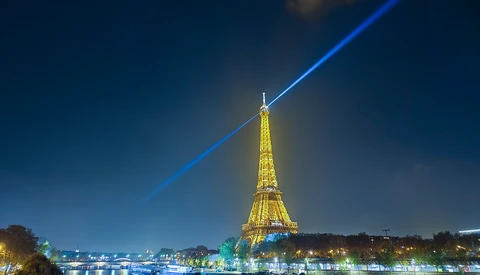
How many times have you gone out after dark, wishing you had your camera with you? Night photography opens up a world of extraordinary images, and with the advanced technologies of our mobile phones today, you can get excellent image quality.

Few lenses are more classic than a wide-aperture 85mm, which is often the preferred choice of portrait photographers. Nonetheless, a good 85mm lens can be awfully expensive.

Some cameras are designed to be pragmatic tools, meant to reliably get the shot without fuss no matter what situation you throw them into. Other cameras put form first, offering stylish designs meant to inspire your creativity. It is a rare camera that does both equally well.

Irix has created a name for themselves by manufacturing manual focus prime lenses that are rugged, affordable, and quite sharp, making them a compelling option for any genre where autofocus is not a requirement.

As all facets of technology take large, confident strides forward, there are many unintended synergies and applications between them. One example of this, which is still relatively new to being viable, is using a projector as a background for photography and videography.

Neither of these looks like a regular photographer’s bag. They are rugged but attractive, and no matter where you go, you'll look stylish while knowing your gear is safe and well protected.

Welcome to the next—and 6th—episode of our 8-part video tutorial series about long exposure photography and how different filters can produce dramatic results. As a reminder, each time we drop a new video, you have the chance to win some awesome prizes. Follow the instructions included in this post to enter this week's contest.

2021 brought a huge array of excellent gear. Here’s a roundup of the best and worst releases of the year, including a decision for the best stills camera that will take a lot of people by surprise.
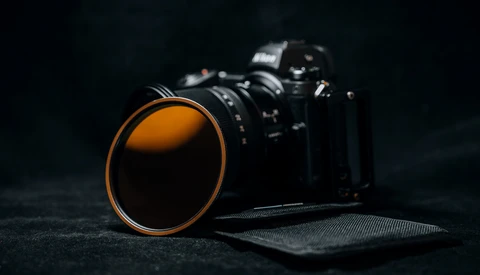
The Sandmarc Motion Pro Variable filter can be used for both filming and photography. For me, it excels at one more than the other, not because of quality, but because of ease of use.

A 24-70mm f/2.8 is the workhorse lens of choice for a lot of photographers and filmmakers, offering a versatile focal length range and wide maximum aperture. One such lens for Fujifilm shooters is the XF 16-55mm f/2.8 R LM WR, and this excellent video review takes a look at the lens and the sort of image quality and performance you can expect from it in practice.

Tamron has had some excellent lenses over the years but nothing quite reached the caliber of their 28-75mm f/2.8 which was extremely well-received. Now, with that previous model discontinued, Tamron has released the new version, but can it keep up the earlier model's legacy?

A 50mm lens with a wide maximum aperture is one of the most versatile lenses a photographer can own, offering a relatively neutral focal length suitable for everything from portraits to landscapes and the ability to shoot in low light or leverage subject-isolating narrow depth of field.

In September this year, Fujifilm announced a wide range of new primes, seemingly part of an ongoing effort to update its range of glass with sharper lenses complete with better autofocus and wider apertures. Has Fujifilm produced a better lens than the 33mm f/1.4 R LM WR?
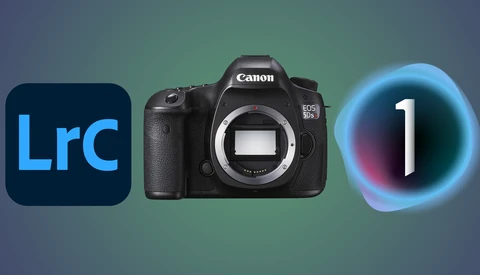
In this series of articles, I'll be comparing Capture One to Lightroom to see which one is the better choice. The articles will focus predominantly on color; however, other points such as contrast and dynamic range will also be covered too.

A wide-aperture 85mm lens is always a popular choice for portrait photography, but such lenses can often run well north of $2,000. However, the Viltrox AF 85mm f/1.8 lens promises a classic optic at a much more affordable price, and this excellent video review takes a look at if it can provide the sort of performance and image quality professionals still demand.

Along with the Nikon Z 9 and Sony a1, the Canon EOS R3 is one of the hottest cameras on the market, representing the current pinnacle of the company's technology. If you would like one of your own, best to get your preorder in as soon as possible, as it may take several months to get one.

I’ve tried several 70-200mm lenses for the Sony system, and even as I stood there holding it in my hands, I could hardly believe the new 70-200mm f/2.8 II from Sony.

Modern cameras are ludicrously good at focusing automatically, able to lock on small targets and track them precisely and accurately through many challenging situations. These autofocus systems are not totally infallible, however, and there are times during which it is actually a better choice to switch to using manual focus.

Nikon allowed me to try out a preproduction model of the Nikon Z 9. This long-awaited camera turned out to be a marvel. During a fortnight, I came to appreciate this camera a lot. In this article, I'll tell you about my experience.

Back in 2017, my commercial work was struggling to make any impact. I got the odd big job, but mostly out of convenience rather than style — that was, until I purchased this lens.

For most people, the criteria for choosing a lens include sharpness, speed of autofocus, microcontrast, custom buttons, and weather sealing. For this photographer, the most important factor is its character.

A good macro lens is super versatile: useful for a lot more than just tiny details, including portraits, ring shots, and way more. For Sony shooters, the FE 90mm f/2.8 Macro G OSS looks to fill that role, but can it keep up with the demands of the 61-megapixel Sony a7R IV? This great video review takes a look.

Zoom lenses have made some remarkable advancements, but that does not mean primes have stagnated in the meantime. Canon's 28-70mm f/2L USM is one of the most impressive zooms in a long time, blurring the line between prime and zoom, while their RF 85mm f/1.2L USM sets the standard for 85mm portrait lenses.

Full frame is generally considered the standard professional sensor size of choice, with some landscape photographers even now opting for medium format, particularly with the recent reinvention of the format. But of course, the bigger the sensor, the bigger the camera, the heavier the lenses, and the more expensive the kit.

Perhaps no type of lens generates more admiration, envy, and fighting than a wide-aperture 85mm lens. As the classic portrait focal length, such lenses often carry their respective manufacturer's best technology, offering that shallow depth of field and buttery bokeh so many photographers crave.

A 24-70mm f/2.8 is the bread and butter lens for a huge range of photographers and filmmakers, offering a wide maximum aperture in tandem with some of the most commonly used focal lengths.

The age-old question of whether great images are made by the photographer or the camera is a boring one. However, a more interesting topic is the gap between high-end cameras and entry-level cameras and whether most people can tell the difference.

When it comes to shorter telephoto primes, 85mm is probably the most common choice, but 135mm is often a popular second option. So, which is the right choice for your work? This fantastic video takes a look at the two focal lengths and shows you some of the advantages and disadvantages of each.

While many of us hold printing photographs in high regard — myself included — digital displays of photography are becoming more prevalent, affordable, and effective. But is Samsung's range of frame TVs worth your hard-earned cash?

There have been some incredible cameras released this year and the leaked information on some upcoming release from Canon suggest it's about to get better. So, what gaps are the Canon R1 and R5c intended to fill within the industry?

A decade ago, the differences between zoom and prime lenses were stark: zooms offered convenience and versatility, while primes offered better image quality and more extreme apertures. However, the gap has closed in recent years, with zooms showing marked jumps in image quality and pushing their designs to new extremes, blurring the line between the two. So, can you get by with just zooms now?

In the first part of this series of two, I introduced bokeh — out-of-focus areas — and outlined the main controls of defocus. These include sensor size, focal length, aperture, distance to subject, and distance to the backdrop. How, then, do you compare defocus between lenses and cameras? Read on.

Two years ago, Ricoh executives claimed that most users would return to DSLRs in one or two years. Two years later, that has not happened, but it has not stopped the company from continuing to march to their own unique beat, as this interview reveals.

If you’re into macro photography, you might be wondering why so many macro lenses emphasize a wide aperture; f/2.8 is nice to have, but when focused down to 1:1, it’ll leave you with no depth of field. From my point of view, Venus Optics seems to have had the same thought. They built a macro lens with a spec sheet that’s focused on delivering macro results.

I have never loved a fixed prime lens camera, except for the Fujifilm X100 series. Quirky, fun, and impressively capable, these small cameras have become quite respected across the industry.

Sony kept fans waiting a long time before finally unveiling the a7 IV, and with the release date quickly approaching, a7 III users will be weighing whether it’s worth the upgrade. And what if you're pondering your first a7 camera? Should you shell out the extra cash for the newer camera?

It might not be the most exciting lens out there, but Nikon's NIKKOR Z 24-50mm f/4-6.3 is highly portable, affordable, and surprisingly sharp given its size and price. If you are looking for such a lens, check out this excellent video that takes a look at the performance and image quality you can expect from it in practice.

Knowing what equipment you should take on a job is always difficult, so I thought I would share with you what I ended up taking on a 10-day ad campaign, and more importantly, why.

There are a plethora of lenses available for Sony’s E-mount, especially when you factor in both APS-C and full frame. Here’s a list of the ten best that you can buy as we approach the end of 2021.

It was the best of tripods, it was an even better tripod. This is why I ended up upgrading what I was already very pleased with to what I think is the best tripod my money could buy.

Camera gear is not only meant for professional work, it is a ton of fun as well. However, it is quite expensive, and as such, every purchase you make should be carefully considered beforehand. This helpful video tutorial features some good advice on how to choose the right gear for you.

If you’re plotting a gift for the photographer in your life, check out this list of ideas. I should warn you, some of them are slightly silly, but they are all very affordable and could make for some excellent stocking fillers.

The Canon EF 100mm f/2.8L Macro lens was highly respected for being relatively affordable compared to other premium lenses while still offering tack-sharp images, fantastic image stabilization, and of course, 1:1 macro capability, all making for one of the most versatile lenses out there.

2021 has been a busy year for flagship cameras from Nikon and Canon and while Sony made a significant impact after finally announcing the a7 IV, the company might feel that it is now behind the competition. With that in mind, what does it have in store for 2022?

I’ve never been one to consider style in my bag purchases, but if that style comes at no extra cost, then, why not? That’s certainly the case with the new HEX x Misshattan Ranger DSLR Sling, a different take on the company’s regular Ranger DSLR Sling.

With Christmas lurking over the hill like a bright red flashing pickpocket, it's time to start figuring out what to buy your loved ones. If they are a photographer, here are some ideas that won't bankrupt you.

Here are some of the biggest Photography deals we've found lasting Black Friday through Cyber Monday.
Datacolor
SAVE BIG 11/26-12/3 on Datacolor Spyder Color Management Tools!
Add some extra jingle to your pockets this holiday season and SAVE BIG on Datacolor Spyder and ColorReader products today!

Hasselblad's 907X 50C is one of the more unique cameras to come along in quite some time, putting a modern medium format sensor in a body completely devoid of a viewfinder, meant to be used like a TLR camera of yesteryear. This great video review takes a look at the camera and the sort of performance and image quality you can expect from it in practice.

During an effort to rid my house of excess belongings this weekend, I stumbled upon an analogy that should help inform my gear buying decisions going forward.