




Profile picture for Alex Cooke
Editor-in-Chief

Alex Cooke

Cleveland, OH
18 3 Star badge
1 10+ Portfolio Images badge
1 Editor's Pick badge
1 Top Contributor badge

Original Articles from Alex Cooke

How Photographs Helped Create Yellowstone, the World's First National Park

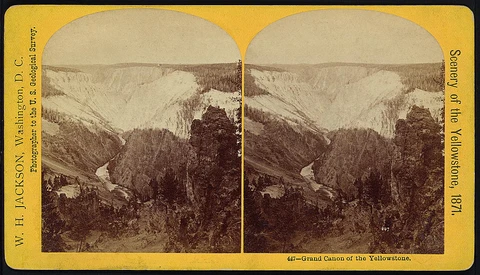
The 1872 law that created Yellowstone runs only a few hundred words and never mentions a photograph. By the time President Ulysses S. Grant signed it on March 1, prints of the region and a painter's field watercolors had reached Washington and were being used to sell the idea. The pictures entered the campaign before the vote, then left almost no trace in the formal legislative record.
Autofocus Turns 50 in 2027, and the Camera That Started It Was a Konica

Japan observes a Camera Day on November 30, and the date comes from 1977, when Konishiroku Photo Industry put the Konica C35 AF on sale. It was the first mass-produced camera that focused itself, and the part doing the focusing was built by a Minneapolis company whose main businesses were thermostats, industrial controls, and defense electronics.

Joseph Petzval Calculated the First Fast Portrait Lens in 1840 and Watched Someone Else Get Rich

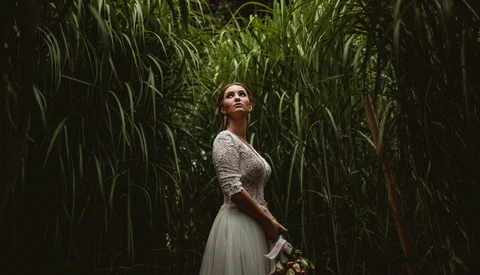
By May 1840, a mathematics professor in Vienna had finished a lens before a single piece of glass had been ground for it. Petzval worked the design out on paper, with a squad of army computers grinding through the arithmetic under his direction, and the result gathered roughly 20 times more light than the lens sitting on the front of a typical daguerreotype camera.

10 Technologies Photographers Inherited From the Military

The zoom ring on a modern 70-200mm traces back to a viewfinder accessory the US Army Signal Corps clipped onto its 35mm combat movie cameras. Frank Back, the Austrian-born engineer who designed it, spent the war improving cameras and lenses for the Signal Corps and then turned the same optical trick into the first zoom lens that caught on.

Lens Flare and The Incredible Physics of Modern Lenses

A bare, uncoated air-to-glass surface sends roughly 4 percent of the light striking it back the way it came, and a current professional 24-70mm f/2.8 zoom stacks about 30 of those surfaces in a row. Uncoated, less than a third of the light entering the front would reach the sensor as part of the image.

How Long Exposures Erase People: The Math of Making Crowds Vanish

Put a 35mm lens on a full frame camera, stand about 20 m back from a plaza, and each pixel in the file covers roughly 3.4 mm of the ground at that distance. A person walking across that view at an ordinary pace clears their own shoulder width in about a third of a second, so across a four-minute exposure they sit over any single pixel for about 0.13 percent of the time.

The First Photo Ever Transmitted by Wire, and the Machine That Sent It

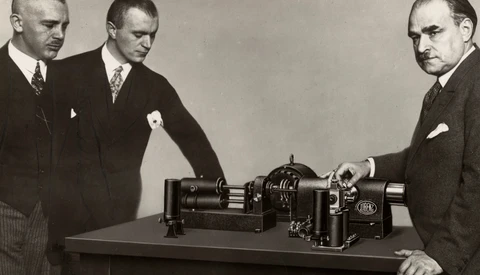
In October 1906, a portrait of the German Crown Prince left Munich as nothing more than a flickering electric current, fought through roughly 1,800 kilometers' worth of telegraph line, and emerged at the far end as a photograph you could actually recognize. No train carried it. No courier, no envelope, no darkroom on the far end printing from a shipped negative.

Why Is a $3 Billion MLB Team Insisting This Video Isn't AI?

The Toronto Blue Jays posted an animated short on Tuesday and spent the afternoon telling fans it was not made with AI. Pull the video down and step through it frame by frame, and the props on a stationary wheelbarrow respell themselves four times in under a second. 


We Examined 90 Years of Camera Ads. High-End Gear Was Never Cheap.

Photographers have a myth, and like most good myths it gets told with real feeling, usually in a comment section, usually in all caps somewhere near the end. Cameras used to be affordable. Real cameras, made by people who cared, sold at honest prices to working photographers who did not have to remortgage anything.

The Secret That Makes the Creamiest Bokeh in Photography and Why It Remains a Niche

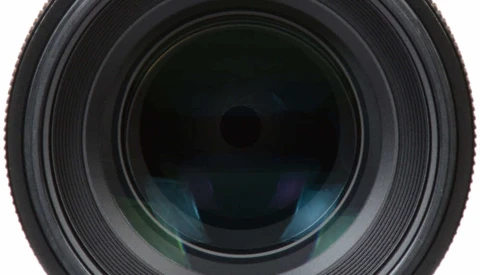
Sony sells a 100mm portrait lens with an f/2.8 aperture that meters like an f/5.6. That is not a manufacturing defect or a marketing rounding error. Sony built a disc of gray-graded glass into the middle of the lens, on purpose, and gave away roughly two stops of light to buy what might be the smoothest out-of-focus blur any lens can produce.

The Story of The Earliest Known Surviving Photo of a Person

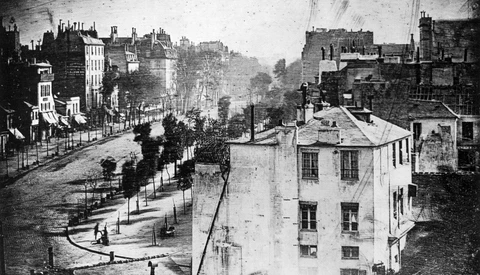
Look at the picture and you see an empty Paris street. Wide sidewalks, a row of trees, tall buildings, and almost no sign of life on what should have been a busy morning. Then your eye catches it: down in the lower left corner, one small figure stands with a foot up on a shoeshine box, and a second figure crouches at his feet.

11 Beginner Drone Mistakes That Can Cost You More Than a Crash

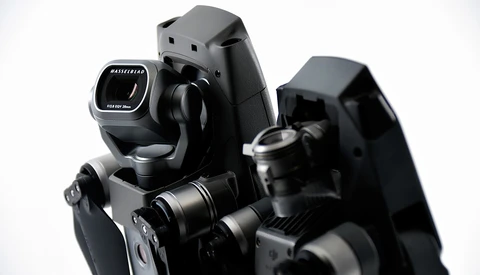
A drone is the rare piece of camera gear that can get you fined, grounded, or into a courtroom before you have taken a single good photo. Most beginner mistakes with a new camera cost you a bad frame. A handful of beginner mistakes with a drone cost you a four-figure penalty, a wrecked aircraft, or an angry neighbor with your registration number written down.

The Five Most Beautiful Cameras Ever Made, and What Made Their Designs Immortal

The most beautiful cameras ever made were not styled to be beautiful. They were built to work, and the beauty is what happened when the engineers refused to hide how the machine did its job. They still sit under glass in collections not because they out-resolve a modern mirrorless body, but because you cannot stop looking at them. 

The First Aerial Photograph Was Taken From a Balloon in 1858

In 1858, a French balloonist who called himself Nadar leaned over the edge of a wicker basket tethered above the village of Petit-Bicêtre, just outside Paris, and made the first photograph ever taken from the air. You cannot see it. That plate, and every other aerial photograph Nadar made in those first years, is gone. 

APS: The Forgotten Film Format War of the 1990s

In February 1996, five of the biggest names in photography, companies that spent the rest of the century trying to bury each other, walked onto one stage in Las Vegas and formally launched a film format they had built together in secret. The five of them had already sunk around $500 million into it between them and expected to spend roughly that much again.

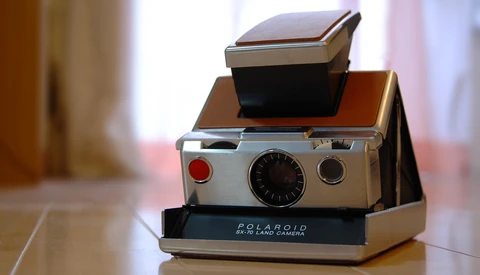
How the Polaroid SX-70 Became the Most Beautiful Camera Ever Made

In April 1972, at Polaroid's annual meeting, Edwin H. Land reached into his jacket, pulled out a camera folded flat enough to hide in a suit pocket, and in about ten seconds fired off five color photographs. There was no timer to watch, no negative to peel away, no wet chemistry to wipe off your fingers.

The Photograph That Proved Einstein Right: The 1919 Eclipse Plates

For about five minutes on May 29, 1919, the Moon blotted out the Sun over an island in the Gulf of Guinea and a hard-baked plain in northern Brazil, and two teams of astronomers pointed their cameras at a patch of sky no one could normally see. They were not photographing the eclipse for its beauty. They were trying to measure whether a handful of stars had moved. 

The Best Photo Culling Software in 2026: How Narrative Keeps the Story in Your Hands

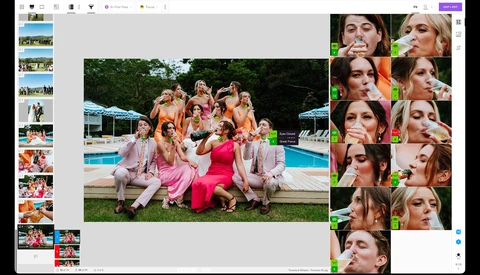
The best culling software is the one that gets you to your picks faster without deciding for you. Narrative sorts a shoot by scene, ranks every frame for focus and expression, and shows you why it ranked things the way it did, so the final call stays yours. That last part is what separates it from tools that hand you a finished selection and ask you to trust it.


Fifty Cameras in the Dark: How the First Atomic Bomb Was Photographed

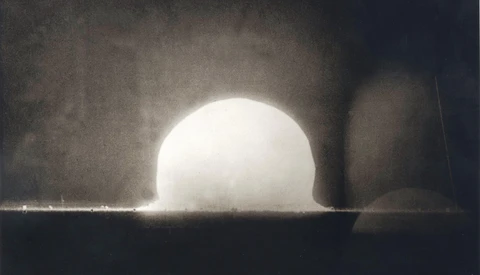
At 5:29:45 in the morning on July 16, 1945, in a stretch of New Mexico desert the Spanish called the Jornada del Muerto, the sky turned brighter than the noon sun. Aimed at that flash, tucked into steel-and-lead bunkers and buried instrument boxes ringing a 100-foot tower, sat roughly fifty cameras.

How Scientists Photograph the Deep Sea, Miles From Where the Sun Shines

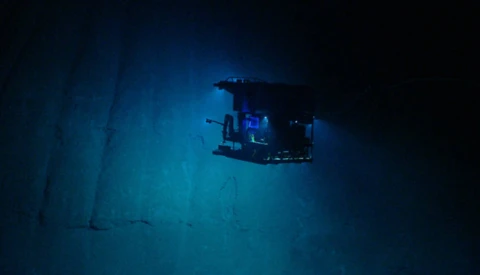
In 2022, a camera on the floor of the Izu-Ogasawara Trench off Japan, 8,336 meters down, filmed a small translucent snailfish drifting through its beam. No fish had ever been filmed so far down. No sunlight has ever reached that trench, and the light that does exist down there, the faint blue flicker of bioluminescence, is nothing like the broad-spectrum white the camera carries.

The First Photograph of a U.S. President Is a Contested Honor

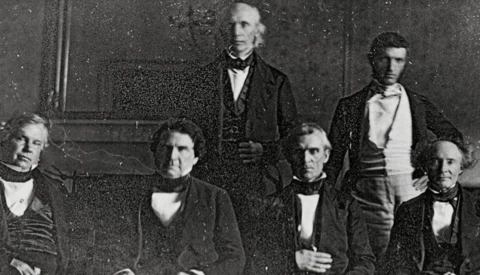
In October 2017, a silver plate about the size of a paperback sold at Sotheby's in New York for $360,500. It is the earliest surviving photograph of anyone who has ever been President of the United States, and the man staring out of it had been out of the office for fourteen years by the time the lens cap came off.

How NASA Blindly Aimed a Camera From Billions of Miles Away

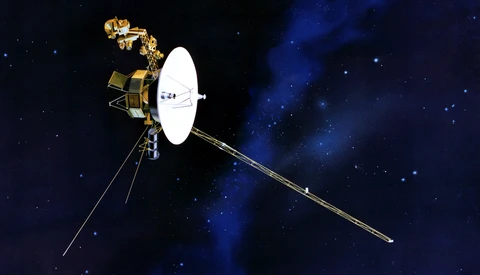
Imagine trying to photograph a moon the size of a fist while flying past it at 45,000 miles per hour, using a camera you cannot see through, cannot focus by hand, and cannot even talk to in real time. Every instruction you send takes hours to arrive. By the time you learn whether a shot worked, the target is long gone, and there is no second pass.

'Lunch Atop a Skyscraper': Unraveling Photography's Most Famous Mystery

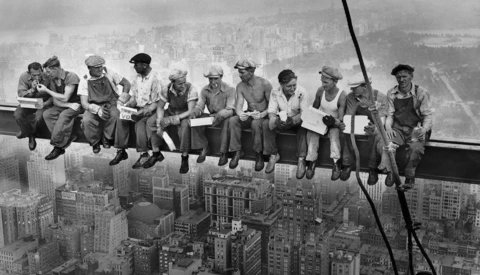
Eleven men sit shoulder to shoulder on a steel beam, more than 800 feet above Manhattan, eating sandwiches and lighting cigarettes as if the drop beneath their boots were nothing more than a curb. There is no safety line, no net, no visible fear. It is one of the most reproduced images of the twentieth century, and almost everything the average person assumes about it is wrong. 

Murder, Movies, and Horses: The Strange Life of the Man Who Made Photographs Move

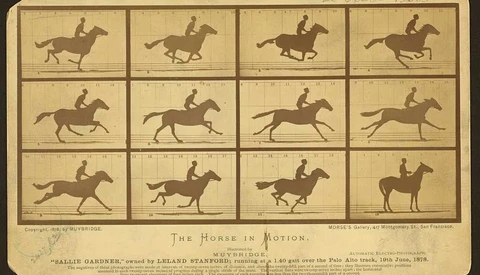
On June 19, 1878, a thoroughbred named Sallie Gardner ran down a track in Palo Alto and broke twelve threads stretched across her path with her chest. Each thread fired a camera. When the plates came out of the darkroom, they answered a question that painters, sculptors, and horsemen had argued about for centuries.