Photography Lighting

Light is the raw material of photography — and learning to see it, shape it, and control it is the single most transferable skill you can develop. This section covers photography lighting in depth: the physics of how light behaves, the gear that controls it, and the practical setups that professional photographers use across every genre. Whether you're starting with a single speedlight or building out a full studio, this is where lighting knowledge lives on Fstoppers.

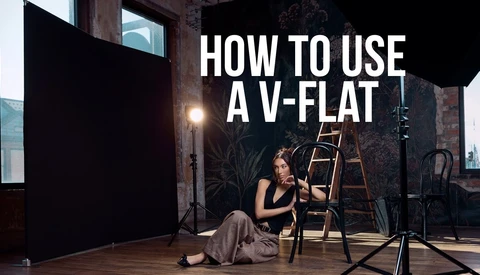
Five Ways a Single V-Flat Can Fix Your On-Location Lighting

A single black-and-white board can do the work of a reflector, a flag, a backdrop, and a negative fill panel, all in the same shoot. Learning to read light and shape it with one tool beats buying five separate modifiers.
 

The Secret No One Tells You About Lighting Great Night Portraits

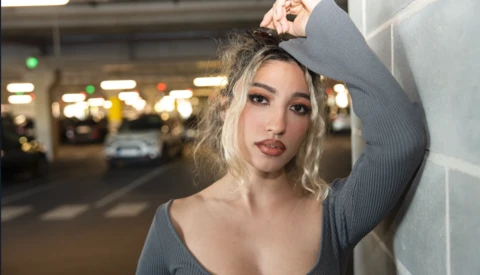
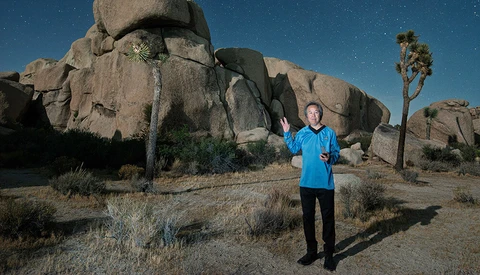
Want to photograph portraits that don't look like deer caught in headlights or someone telling campfire ghost stories? While we might obsess over the Milky Way, the stars, or even light painting, most photographers don't figure out how to take fantastic portraits of people in their night or astro-landscape photos—something that looks polished, dramatic, and intentional.

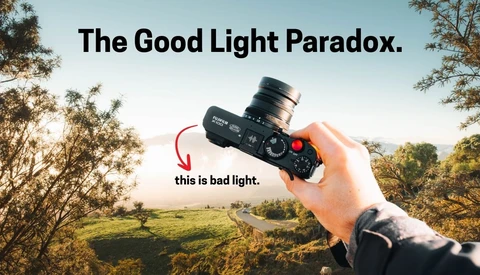
Stop Judging Light as Good or Bad and Start Using It

Light gets talked about like it comes in two flavors, good and bad, and that framing quietly limits what you shoot. Treating every kind of light as workable, rather than sorting it into keepers and mistakes, opens up scenes most people walk past.


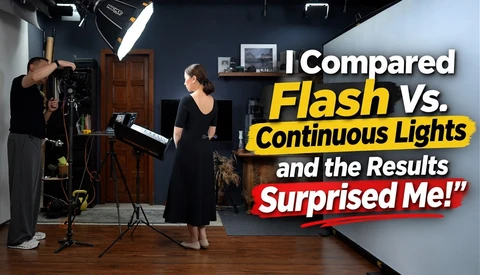
Continuous Light vs. Flash: What Actually Changes in Your Portraits

The question of flash versus continuous light comes up constantly, and the honest answer sits somewhere between "barely any difference" and "a huge one," depending on what you're shooting. Both can produce nearly identical portraits, yet the way you work with each changes how you shoot, how you meter, and how much room you need.


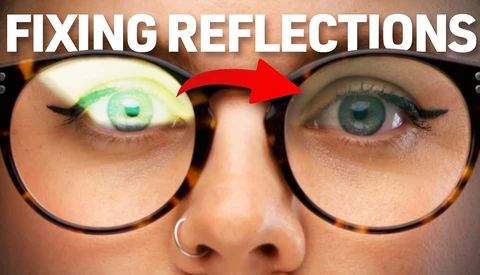
Why Moving Your Light Closer Kills Glasses Glare

Reflections bouncing off eyeglass lenses ruin more portraits than almost any other lighting problem, and the fix runs opposite to what most people assume. A smaller, more specular light source makes the reflection worse, while a large diffused light pulled in close makes it nearly vanish.


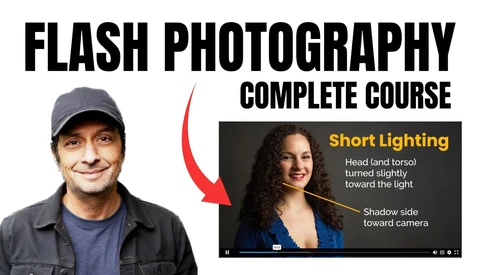
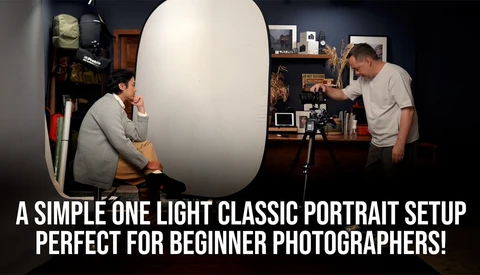
The One-Light Setup That Handles Almost Any Portrait

Flash portraiture stops most people cold at the same spot: too much gear, too many settings, and no clear order to put it all together. The fix turns out to be a single light, a handful of budget parts, and a repeatable routine you run the same way every session.


Why Golden Hour Might Be Quietly Wrecking Your Photos

Golden hour gets treated as the one condition worth shooting in, yet the same warm, angled, flattering light that makes photos look easy can also flatten your instincts and hide your subject. Leaning on it too hard limits the range of colors, moments, and conditions you learn to handle.


Why Pointing a Light at a Wall Beats a Soft Box Every Time

The softest, most usable light in a room often comes from the simplest move: pointing a single fixture at a white wall and turning it all the way up. Get this foundation right and the rest of your lighting becomes a matter of small refinements rather than a fight against the space.


Why There's No Such Thing as Bad Light

Most photography advice hands you rules to memorize and light to chase, then leaves you disappointed when your pictures still look like textbook exercises. The alternative is treating light, composition, and moment as choices rather than commandments.


How to Balance Flash Against a Bright Sky Without Blowing It Out

Backlighting a subject at the beach solves a problem that trips up plenty of people shooting in bright sun: harsh shadows, squinting eyes, and a washed-out sky. Put the sun behind your subject, add your own light to the front, and the whole scene falls into place.


One 48-Inch Octa, Three Completely Different Portrait Looks

Most studio shooters own a pile of modifiers and swap them constantly, but a single 48-inch octa can produce soft, moody, and hard light without ever leaving the stand. Learning to read what one modifier does under different conditions builds more control than owning ten of them. 

Five Rules for Photographing in Bright, Ugly Light

Most landscape advice tells you to pack up when the sun climbs high and the shadows turn hard, yet some of the strongest work happens in exactly those conditions. Learning to read harsh light gives you far more hours to shoot and a look most people never chase. 

The Lighting Mistakes Hiding in Your Portraits

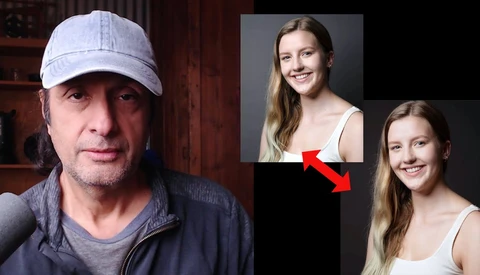
A photographer critiquing a stranger's early work is common enough, but here the images being torn apart turn out to be his own from 15 years ago. The fixes are the same ones any photographer can apply to their own portraits right now. 

Why the Best Portrait Photographers Think About Darkness First

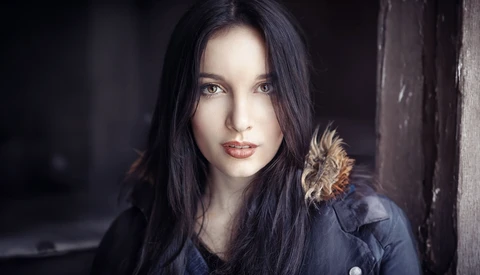
Choosing the right light is one of the most misunderstood skills in portrait photography, and most advice online focuses on the wrong things entirely. Gear and camera settings have almost nothing to do with why certain portraits feel alive while others fall flat. 

Flash vs. LED: Why Experienced Photographers Still Choose Strobe

Choosing between flash and continuous LED lighting is one of the more consequential decisions you'll make when building out a studio kit. The gap between the two has narrowed, but it hasn't closed, and understanding where each system breaks down in real-world conditions changes how you spend your money. 

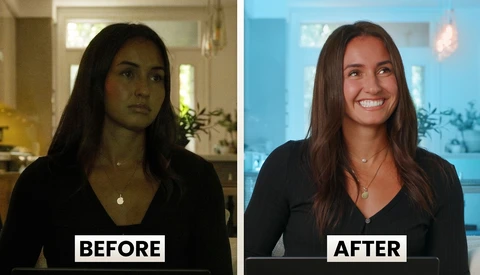
Is Your Home Studio Lighting Making Your Videos Look Cheap?

Lighting a home studio well is harder than most people expect, and the gap between flat, lifeless footage and something that actually looks intentional usually comes down to a few decisions. Getting those decisions right early saves you from buying gear you don't need and reworking your setup from scratch later. 

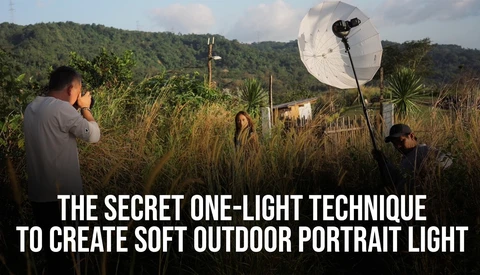
One Speedlight, One Umbrella, and a Lighting Trick That Actually Works

Shooting portraits in bright outdoor light is one of the harder problems to solve with a single speedlight. The sun is usually too strong, your flash can't keep up, and the results look forced. Here's a specific technique that sidesteps all of that, and it's simpler than most people expect. 

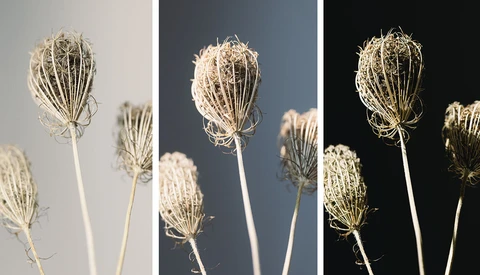
Mastering Light for Better Macro and Close-Up Photography

Macro and close-up photography is something we can all do, anywhere. We can find objects at home to photograph, or head outside into a local field or forest. It's a very enjoyable genre of photography. One of the more popular subjects to photograph is wildflowers. 
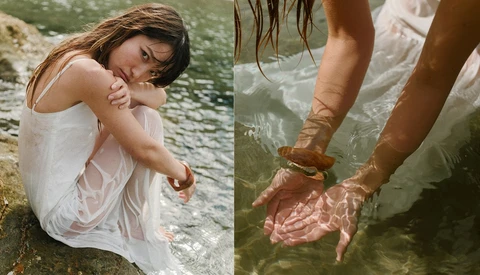
No Reflector, No Assistant: Making Harsh Light Work for Portraits

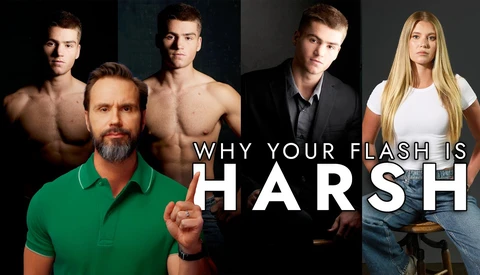
Shooting in harsh midday light near water is a situation where photos fall apart fast. Without a reflector or an assistant, that direct sun creates unflattering shadows and a dynamic range that's nearly impossible to manage in a single exposure. 

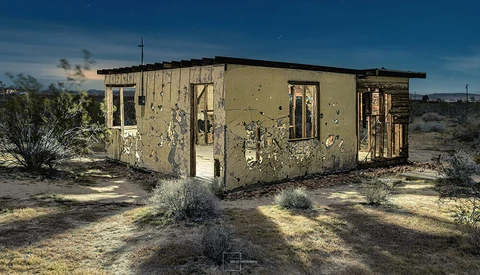
Behind the Scenes: Secrets of Light Painting a Desert Cabin at Night

I set out to photograph and light paint a mysterious, dilapidated homestead cabin in the Mojave Desert under moonlight. With nothing more than a flashlight and a single long exposure, I turned it into a glowing, cinematic scene. Here's exactly how I did it, and how you can too. 

The Lighting Secret: How to Create Epic Light Anywhere

The biggest hurdle many photographers face when jumping into off-camera flash isn't the gear or the settings; it's the "where." We often find ourselves in a beautiful location with boring light, and we struggle to know how to fix the issue. If you've ever looked at a scene and felt stuck because the lighting didn't match your vision, the solution isn't more gear.

Shooting a Full Fashion Editorial With Just One Light Modifier

A while back I was very focused on having complex lighting for my editorial work. I would often create precise setups with many light sources. Yet, as time went on, my setups became simpler. So much so that my recent editorial for Numéro was done with only one light. Here is how. 
Flash Photography Mistakes Most Beginners Don't Know They're Making

Flash photography has a surprisingly short list of things that will quietly ruin your shots, and most beginners hit several of them before they even realize there's a problem. Knowing what those mistakes are before they cost you time, money, or a shoot you can't redo is worth more than most gear upgrades. 

How to Shoot Striking Body Silhouettes With Minimal Gear

Silhouette figure photography strips the human form down to pure outline, and the results can be surprisingly powerful. If you've been shooting bodyscapes with complex lighting setups and wondering whether there's a simpler approach that still produces striking images, this is worth your attention. 

The Right Way to Light a Physique

Flat, even lighting is the default for most portrait work, and for good reason. But when a client walks in wanting to show off a fitness transformation, that same setup can actively work against them by erasing the muscle definition they worked hard to build. 

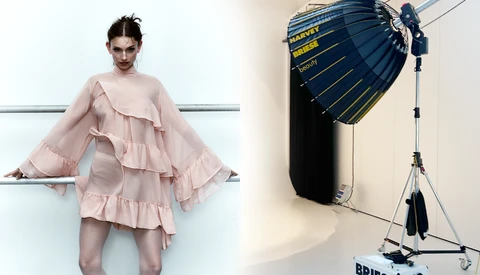
The Secret Weapon Behind My Best Editorial Work

If you could only have two lights for the rest of your career, what would they be? Having used everything from the sun to niche '80s modifiers that predate dinosaurs, I can swear by two light modifiers: the Briese Focus.2 77 and 180. 

We Compare the Aputure Nova P600c vs. P300c: Which Is Right for Your Photo and Video Work?

The world of lighting is saturated with options, but when two fixtures are this close in quality and this different in scale, the choice gets genuinely interesting. That is exactly the case with the Aputure Nova P300c and Nova P600c. Designed to serve hybrid photo and video creatives, both lights offer RGBWW color flexibility, pro-level output, and excellent build quality.

Hard Light, Soft Light, and Silhouettes: One Strobe, Three Results

Choosing a strobe often comes down to one question: how versatile is it? Eli Infante put the Westcott FJ250 through three distinct setups in a single session to show exactly what it's capable of, from soft beauty light to hard dramatic slices of light to a high-key silhouette build. 

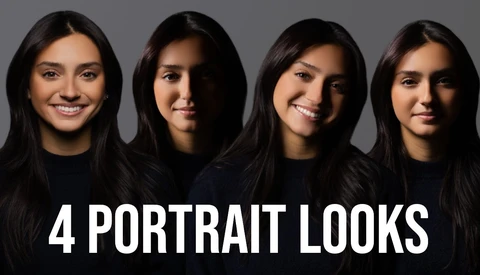
Getting Started With Portrait Lighting: 4 Classic Patterns Explained

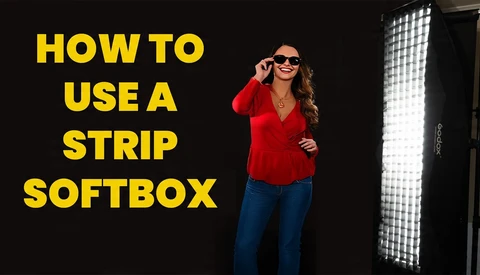
Lighting is one of those skills that separates snapshots from professional-looking images. Whether you're working in a studio or improvising at home, understanding these four classic lighting patterns gives you a repeatable, reliable system for flattering almost any subject. 

Lighting Demo Reveals What 6 Different Modifiers Actually Do to a Subject

Lighting modifiers can make or break a photo, but most people learn about them by reading descriptions instead of seeing them work in real time. Watching how light wraps, falls off, and creates dimension on an actual three-dimensional subject is a faster path to understanding than any chart or spec sheet. 

Can You Build a Photo Book Without Golden Hour Light?

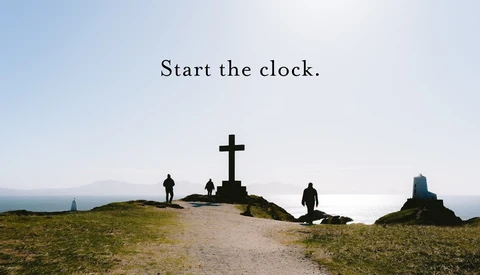
James Popsys has set a six-month deadline to create a new body of work in North Wales without shooting a single golden hour image. That constraint forces a hard look at how and why you shoot, especially when the landscape is close to home. 

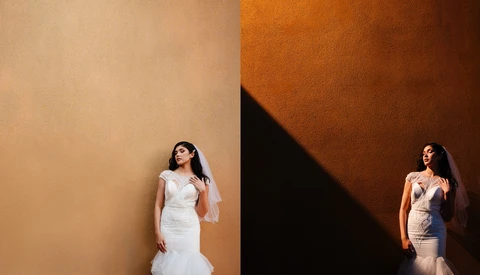
A Simple Trick for More Dramatic Portraits

Dramatic portraits often come down to one thing: how you control light across texture. If your images feel flat, the issue is usually direction, not gear. 

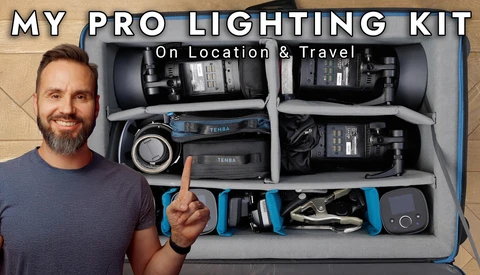
Inside a Working Pro’s Travel Camera and Lighting Bags

Traveling with a full lighting kit gets complicated fast. Weight limits, lithium batteries, and tight overhead bins change how you pack and what you bring. You want gear that works anywhere without turning every trip into a negotiation at the check-in counter. 


Mastering Outdoor Natural Light: A Photographer’s Guide

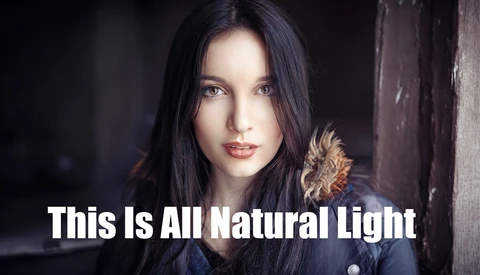
Ever wondered why some professional portraits look effortlessly lit using natural light while others struggle with harsh shadows and flat tones? In this article, with the help of a video, we explore how mastering the simple positioning of your subject can transform ordinary sunlight into a high-end, studio-quality look without a single piece of extra gear. 

Soft Light, Dark Background: The Distance Trick You’re Missing

Light distance is the quiet setting that can wreck an otherwise solid portrait in minutes. Move a light a little, and the subject looks fine while the background suddenly turns muddy, or the exposure slides off without an obvious reason. 

How to Create Believable Window Light Without a Window

You can get “window light” even when there isn’t a usable window, and the difference between fake and believable usually comes down to a few small decisions. If you shoot portraits in a controlled space, this approach gives you a repeatable look without waiting on weather, time of day, or room layout. 

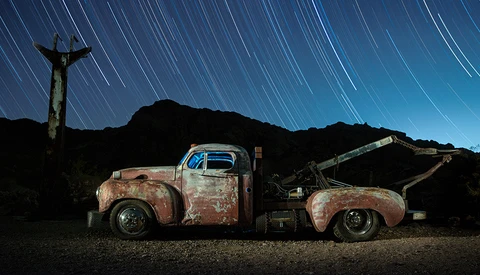
Step-by-Step: Light Painting a Desert Tow Truck With Star Trails

I wanted to photograph and light paint a super-long exposure of a vintage tow truck with long star trails, but I also needed to do this quickly so I could continue teaching workshop participants. How did I do this? I’ll take you behind the scenes of my desert ghost town long-exposure photo.

The Art of Obsession: How I Learned Photography Lighting

We often talk about photography as a craft or a hobby, but if we’re being honest, the greats don’t treat it that way. For the pros, photography isn’t just a career. Photography is an obsession. We live in a world where we’re told to seek "balance," but I’m here to give you permission to do the opposite.

The Soft “Window Light” Setup That Actually Holds Up

A clean “window” look in a home studio usually comes down to one thing: how you spread and soften flash before it hits your subject. In this video, the entire setup revolves around a big diffusion wall, and it answers a question you’ve probably wrestled with after a few too-contrasty test frames. 

Make Your Subject Pop Without Blurry Backgrounds

Getting your subject to pop is the difference between a frame that feels intentional and one that feels like a snapshot. This video focuses on making that happen with available light instead of leaning on blurry backgrounds.