Lightroom

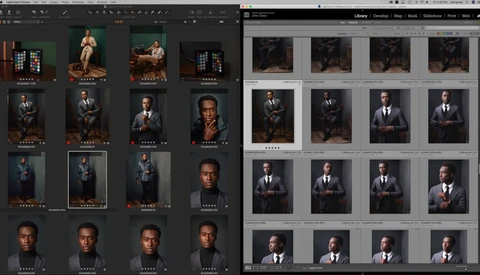
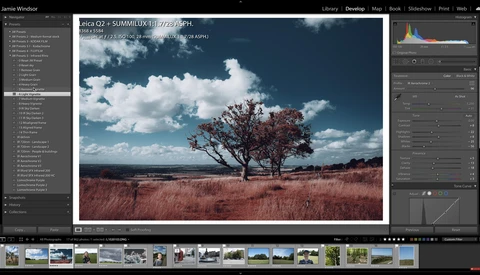
Adobe Lightroom is where most photographers spend a significant portion of their working lives — and knowing it well makes a real difference to both the quality of your output and the speed of your workflow. This section covers Lightroom from practical angles: import and organization, raw processing, masking and local adjustments, color grading, and the workflow habits that separate efficient photographers from those drowning in a backlog.

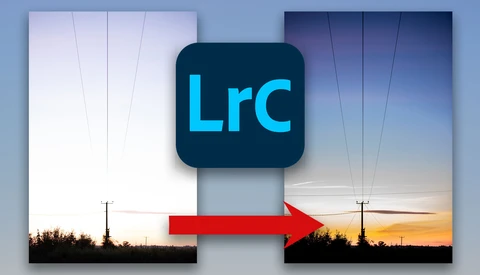
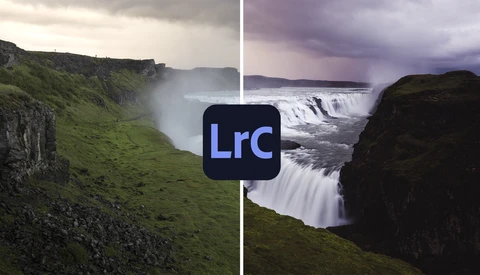
Use Lightroom to Save an Overexposed Photo

Ever had an overexposed photo that was destined for the trash? Well, hold up! You may be able to save that thing and turn it into a masterpiece. So before you hit delete, read on for a detailed look at how to save overexposed photographs in Lightroom. 

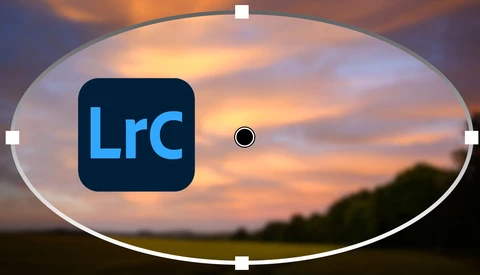
Discover the Power of Lightroom's Radial Filter

An underrated tool in Lightroom's arsenal, the radial filter is a powerful editing feature that can be used to enhance sunsets, mimic reflectors, and draw focus to subjects. Take a look at how using the radial filter could transform your image editing workflow. 

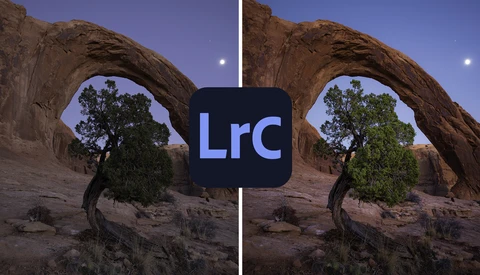
Do You Know the Difference Between Basic Adjustments and Curves?

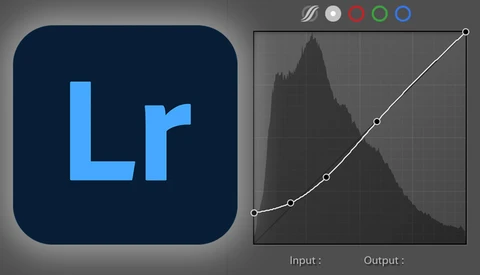
Lightroom offers us many powerful tools to adjust the brightness of some regions of a photograph. In this article, we will find out what the Basic Adjustments and the Tone Curve have in common – and what’s the difference between them. 

Tips for Moving Your Lightroom Classic Data

Upgrading your computer or hard drive can be a stressful experience, regardless of your knowledge level. Whether you're installing a larger drive or moving your data over to a new machine, you'll want to make sure you do it properly. Here are some tips if you need to move your Lightroom Classic data. 

3 Ways to Make Your Photos Pop in Lightroom

Making images "pop" is something most photographers strive for, but there is a fine line between eye-catching and gaudy. This great video tutorial will show you three ways to make your photos pop using tools in Lightroom.  

Should You Add Lens Corrections When Editing Photos in Lightroom?

There are photographers who rely on adding lens corrections in Lightroom for every shot, while there are others who never add them. Why is it so divisive, and should you be adding them or not?  As you can imagine, lots of my friends are photographers. We have the usual rivalry between camera brands.

Incredible Results Using Lightroom's Radial Filters

Many of you have likely used the radial filter tool in Lightroom before, but have you ever used it to paint light on your images? In this video, I go over how to create light in your image to add local contrast and completely change an image from dull to portfolio worthy.  

Lightroom Settings All Photographers Should Know About

Lightroom is a deceptively complex program with a wide variety of settings that can impact both your workflow and the quality of your images. This excellent video details some lesser-known settings in the application that you should nonetheless be aware of. 

Five Things You Didn’t Know About Color Grading in Lightroom

Adobe made a significant update to your ability to tweak colors in the recent version of Lightroom by swapping out Split Toning for Color Grading. Here are five things buried in the interface that you might want to learn about. 

A Beginner’s Guide to Creating Smooth Skin Using Lightroom

Lightroom isn’t as powerful as Photoshop when it comes to retouching portraits, but that doesn’t mean you can’t use it to get good results. This guide will get you started using Lightroom and also give an idea as to why it can be faster and more effective than diving into Photoshop. 

Lightroom Is Great, but Despite Adobe’s Efforts, Photoshop Is Still King

Lightroom is about 13 years old now, and over the last few major releases, Adobe has added a number of tools you’d previously need Photoshop for. While it’s great to see new features like color grading, luminosity masking, and more make their way to the program, their implementation still leaves them falling far short of just using Photoshop.

How to Use Your Camera's Dynamic Range in Post Processing

The dynamic range of a camera is something that is considered to be important. A large dynamic range is often preferred. But how can you make use of this in your photography? In this article I will explain how you can use your camera’s dynamic range in post processing.


7 Fantastic Tips and Tricks for a More Powerful Lightroom Experience

Lightroom is a deceptively powerful program, and you can accomplish a great deal in it without having to turn to Photoshop or some other application. This fantastic video tutorial gives seven great tricks and techniques for taking more control of your Lightroom experience and creating better images.  

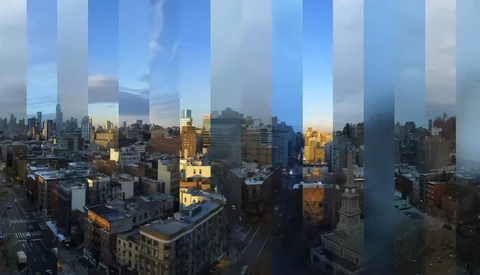
5 Time-Lapse Photography Tips for Beginners

If you're looking at getting into creating time-lapse videos, you can try to learn it by trial and error, but that can take a lot of time. You can save yourself a great deal of time by spending just a few minutes learning a few of these tips. 

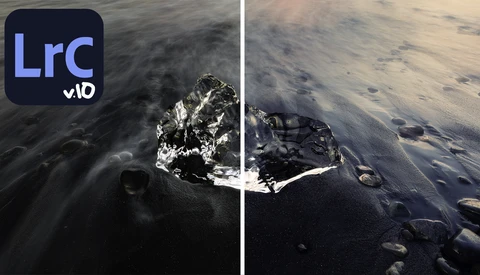
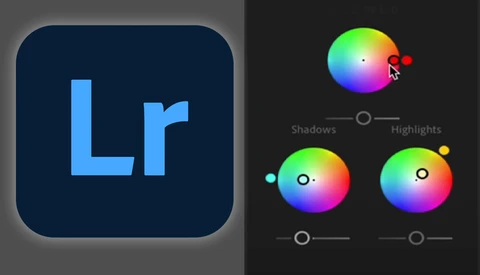
Color Grading in Lightroom Version 10

Adobe just released the latest version of Lightroom that removes the split toning module and replaces it with an updated version, "Color Grading." In this article and video, I quickly go over how to use the new tool, and I even edit a few photos along the way! 

Using Lightroom's New Tools for Better Color in Your Images

Lightroom's latest update brought with it numerous improvements and new features, one of the most significant being the changes to and expansion of the color editing tools. This excellent video tutorial will show you how the new and more powerful color editing features can be used to create stronger images. 

Lightroom Shortcuts You Probably Didn't Know Existed

The faster you can edit a photograph in Lightroom, the more time you have to go back out and shoot. The catch is keeping your edits high quality while also saving time, so I'll show you some essential Lightroom shortcuts that you can use next time you go to edit. 

Tone Curve is the Most Powerful Tool in Lightroom

Whether you're just starting out or are a professional photographer, knowing how to properly use a tone curve is one of the most important editing techniques you can learn. In this video and article I'll show you everything you need to get started in less than 5 minutes.

A Course on Editing in Lightroom for Beginners

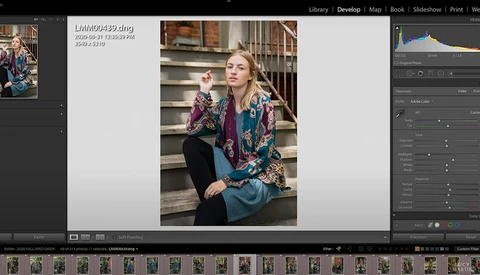
When you are new to photography, it is common to think that you need to head over to Photoshop for any sort of serious editing, but you might be surprised by just how much you can accomplish using Lightroom if you know what you are doing and where to look. This excellent video tutorial will show you how to edit a portrait from start to finish using only Lightroom. 

Adobe Announces a New Version of Lightroom, Sort Of

Adobe has announced — and then unannounced — a range of updates to Lightroom, bringing a new color wheel, improved tethering, better zoom, and general overall performance improvements. Will you appreciate the difference? 

6 Lightroom Retouches You Need to Learn Right Now

Learn how to make cleaner, more powerful shots by following the dos and don'ts of this simple, six step formula for retouching success. When we first start retouching shots in Lightroom Classic it's tempting to pile in with all the editing techniques you can learn from online tutorials, but often the beginner can't tell how far to go.

How to Save Time in Lightroom by Copying Develop Settings

One of the most powerful features Lightroom has is the ability to copy pretty much any post-processing setting from one photo to another, making it easy to save a lot of time when you are working with large batches of similar photos. This great video tutorial will show you four different ways to copy your settings between images when you are working in Lightroom.  

5 Helpful Tips for Faster Editing in Lightroom

A lot of us spend a pretty large chunk of time working in Lightroom, and any tricks or techniques for working more efficiently can really add up in the long run. This helpful video will show you five great tips for working more quickly and efficiently in Lightroom. 

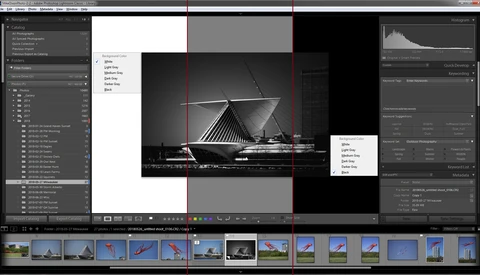
Take Control With This Lightroom Classic Startup Setting

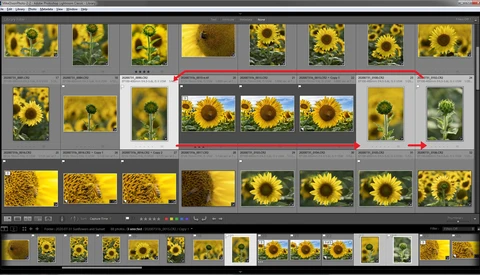
Many Lightroom Classic users have one catalog, and that's perfectly fine. However, others have several catalogs or even a different catalog for each shoot they do. Regardless of which you are, this tip may save you some time and make your Lightroom time more productive. 

5 Tips on How to Use Lightroom’s Tone Curves Panel

Lightroom’s Tone Curves panel can give you a huge amount of control — if you know how to use it. This video offers you a deep dive into understanding how the various elements work and gives you an extra tool when it comes to editing your photos. 

10 Great Tips and Tricks for Better Editing in Photoshop and Lightroom

Both Lightroom and Photoshop are complicated and nuanced applications with wide ranges of capabilities and features. This excellent video tutorial details 10 helpful tips and tricks for using them that will help you edit more quickly, find new capabilities and ways of doing things, and create better overall images.  

Three Lightroom Features That You Probably Don't Know About

If you haven't noticed from my previous articles, I love Lightroom Classic. Lightroom has many powerful features that are easy to access, and I love its digital asset management capabilities. However, some powerful features are hiding in Lightroom that you might not know are there.

15 Time-Saving Lightroom Tricks You Might Not Know

Lightroom has been around long enough now that most photographers are au fait with it, many even experienced. But with modern software — particularly in our industry — the depth is almost unknowable. So, here are 15 tricks which can save you time, and I'd bet there are very few photographers, if any, that already knew all of these. 

10 Ways To Get a Fresh Look at Your Photos in Lightroom

Our ability to perceive the environment around us in the visual spectrum, or visual perception, is a combination of molecular biology, neuroscience, cognitive science, and psychology. These various vision mechanisms often change how we perceive what we see and can even vary depending on the environment in which we see them. 

5 Ways to Retouch Skin Using Lightroom and Photoshop

Skin retouching is a skill and there are various ways to go about it, with some requiring more time and effort to give more refined results. Here are five techniques broken down, using both Lightroom and Photoshop. 

6 Important Lightroom Features Most Photographers Forget About

When editing in Lightroom Classic, it's normal to edit as quickly as possible in order to share your finished photograph online, but by doing that you run the risk of missing out on some hugely powerful settings that can save yourself a lot of time and headaches further down the line. 

Learn How to Edit in Lightroom With This 10-Minute Guide

Lightroom is the tool of choice for cataloging and performing basic edits on images for a ton of photographers. If you are new to photography and Lightroom, this fantastic video tutorial will show you how to edit an image using the program in just 10 minutes.  

How Range Masks Can Make Editing Photos in Lightroom Easier

One of Lightroom's most useful features for making your editing process both easier and more efficient is the range mask tool. If you have not tried it before, this great video will show you how to use color, luminance, and depth range masks and how they make editing easier.  

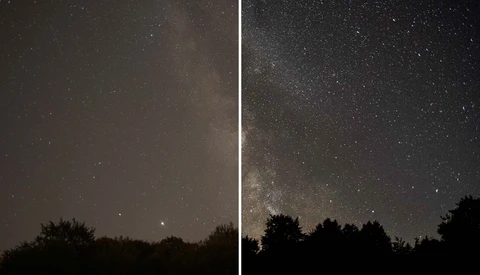
8 Steps to Better Milky Way Editing in Lightroom

Editing pictures of the Milky Way is difficult to get right. Which white balance do you use? How bright should the scene be? How do you remove excessive noise without stars disappearing? Well, follow these eight steps for image editing success on the galactic scale with Lightroom Classic. 

A Beginner's Guide to Using Lightroom

Lightroom is the program of choice for tons of photographers for cataloging and editing their photos, and it is a multidimensional application with a lot of different features and capabilities. If you are new to using Lightroom, this excellent video will show you the ins and outs of the important aspects of the application and have you up and running in no time.