Photography Education

Whether you just picked up your first camera or you've been shooting for years and hit a plateau, there's always more to learn. This section is where Fstoppers publishes educational content aimed at genuinely improving your photography — not just gear tips, but the foundational understanding of light, composition, and visual thinking that makes the difference between a competent photographer and a compelling one.
Which Is Right for You? Canon's R6 Lineup Compared: Mark II vs. Mark III vs. R6 V

The Canon EOS R6 used to be a simple recommendation. You wanted a full frame hybrid that did a little of everything well without costing as much as the R5, so you bought the R6, and that was the end of the conversation. That clarity is gone. The line has split into three very different cameras that happen to share a name, and choosing between them now means knowing what kind of shooter you actually are. The good news is that once you sort that out, the right answer becomes obvious, because Canon has aimed each of these bodies at a genuinely different person.

Why This Photographer Refuses to Chase Exotic Locations

Gear envy and exotic locations dominate photography social media, and the pressure to match that lifestyle is real. If you've ever felt like your local landscapes or modest kit aren't good enough, this video speaks directly to that.

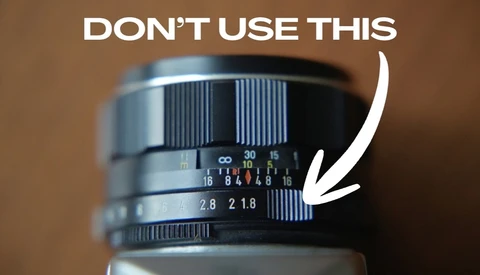
The Exact Zone Focusing Settings a Street Photographer Uses for Four Lenses

Zone focusing is one of the fastest ways to shoot on the street, and most people either don't know how to set it up or don't trust it enough to actually use it. Jeff Ascough has built his entire street shooting practice around it, skipping autofocus almost entirely in favor of pre-set distances and depth of field.

Before You Contact a Single Client, Build These Foundations First

Trying to land photography clients before you're ready doesn't just waste your time, it burns opportunities you might never get back. First impressions with potential clients are permanent, and if you approach them too early, they won't come back even after you've improved.

The Frequency Separation Trick That Brings Back Skin Detail

Retouched skin that looks great up close but goes flat the moment you zoom out is one of the most common problems in portrait editing. There's a technique built into Photoshop's frequency separation workflow that can fix this, and most people walk right past it.

Bodyscape Photography: One Light Is All You Need for Dramatic Results

Bodyscape photography sits at the intersection of portraiture and abstract art, and it's more accessible than most people assume. With minimal gear and a basic understanding of light angles, you can produce images that look like they required a full studio production.

The 5 Best Film Stocks for Beginners in 2026

Starting in film photography means making a choice before you ever press the shutter: which film to load. The wrong stock can make a beginner's early rolls frustrating and expensive, full of muddy colors and missed exposures. The right stock is forgiving, widely available, affordable enough to shoot freely, and consistent enough that you learn from your mistakes instead of wondering whether the film was the problem. These five fit that description better than anything else on the market, and between them they cover bright daylight, saturated landscapes, mixed and low light, and the two classic black-and-white looks every new shooter should try.

10 Ways to Get Sharper Photos With a Teleconverter

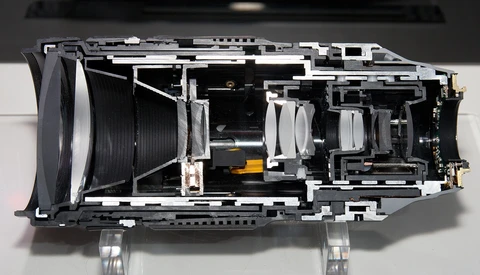
Teleconverters can quietly destroy your keeper rate before you even realize what's happening. Sharpness drops, autofocus consistency gets unreliable, and tracking falls apart — all from one small piece of glass between your lens and body.

The Two-Step Method for Making Any Photo Pop in Photoshop

Photoshop's Camera Raw filter is genuinely one of the most underused tools for color grading, and most people treat it like a raw file converter rather than a full editing engine. If you've been doing your color work purely in curves or Hue/Saturation, you're leaving a lot of control on the table.

The 10 Most Important Camera Settings: A Plain-Language Glossary for Beginners

A new camera presents you with hundreds of settings, and the manuals that explain them are written as if you already understand the vocabulary. You do not need to learn all of it. You need to understand about ten settings well, because those ten control almost everything about how your photographs turn out. Here is what each one does, in plain language, without the jargon that makes photography sound harder than it is.

When Experience Stops You From Seeing

Experience makes photographers faster by teaching them to recognize patterns. The same mechanism can also prevent them from seeing photographs that do not fit those patterns.

These Five Tips Apply to More Than Travel Photography

I'm always curious to see what accomplished photographers use as their "rules of thumb" or "best practices." This video offers five tips to improve anyone's travel photography, including one I wish I'd heard before my recent trip. 

Understanding ICM, Part Three: Legitimacy

The deficit of trust in ICM stems from an underdeveloped language of results. While we can describe how to move the camera, we lack the criteria to evaluate what has emerged. This final part addresses the legitimacy of formal photographic practice in a culture dominated by "image-as-statement" and examines why beauty, without a named visual task, is so easily reduced to a gimmick.

How to Set Up Back-Button Focus (And Why So Many Pros Swear by It)

Almost every camera you have ever used works the same way out of the box: press the shutter button halfway to focus, press it all the way to take the photo. One button, two jobs. It is so intuitive that most photographers never question it. You half-press, the camera focuses, you press the rest of the way, the shutter fires. Simple.

What Type of Photographer Are You, and Are You Sure?

Do you have problems defining yourself as a photographer? Do other people label you as a certain genre of photographer, but you feel that label is incorrect? If so, or even if you don't care about labels, this is a great video to make you think about what you shoot and why.

From Beginner to Professional, These Tips Can Improve Your Images

It doesn't matter if you are a hobbyist or a professional photographer; everyone needs to reset and remind themselves of some simple truths of the genre from time to time. This video offers excellent advice that every photographer should consider whenever they pick up a camera. 

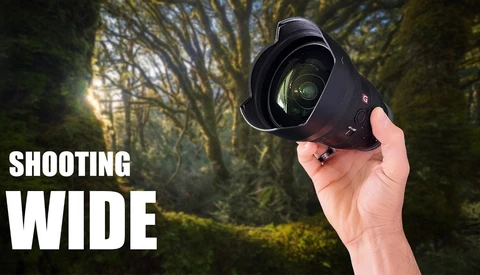
How a Longer Focal Length Cuts Through a Chaotic City Background

Shooting street fashion in a busy city location is a real compositional challenge. The background competes with the subject, the light shifts constantly, and the difference between a clean frame and a cluttered one often comes down to one or two decisions made on the fly.

Every Camera System's Best-Kept-Secret Lens

Every lens catalog has a flagship tier. These are the lenses that dominate reviews, anchor marketing campaigns, and justify the system's reputation: the Canon RF 24-70mm f/2.8 L, the Sony FE 70-200mm f/2.8 GM II, the Nikon Z 50mm f/1.2 S. They deserve the attention. They are genuinely excellent. And they are not the lenses that most photographers would benefit from buying next.

A Towed Car, a Rooftop, and One Shot at a Spiral Driveway

Shooting cars at night in a city like Hong Kong is a different challenge than a controlled studio setup or a daytime location shoot. You're working with mixed artificial light, heavy traffic, unpredictable locations, and gear decisions that have real consequences when you only get one chance at a shot.

Why Your Next Upgrade Should Be a Lens, Not a Camera

The most common question beginners ask after buying their first camera is some version of "what should I upgrade to next?" The answer they expect is a better camera body. The answer that will actually improve their photographs is almost always a better lens.

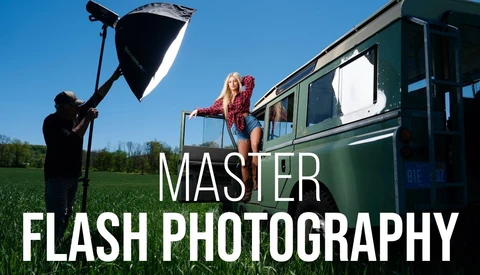
One Speedlight, One Umbrella, and a Lighting Trick That Actually Works

Shooting portraits in bright outdoor light is one of the harder problems to solve with a single speedlight. The sun is usually too strong, your flash can't keep up, and the results look forced. Here's a specific technique that sidesteps all of that, and it's simpler than most people expect.

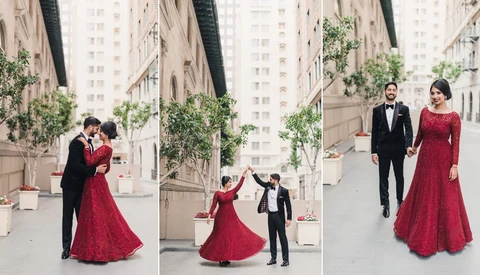
How to Start Wedding Photography

The exposure triangle, autofocus modes, backup systems, flash technique, portfolio curation, and scam awareness — wedding photography demands you get competent across all of them before your first paid job. Miss any one, and you'll either lose the shots, lose the files, or lose money from your bank account.

5 Lenses Nobody Gets Excited About That Produce More Photos Than Anything in Your Bag

Photography publications, including this one, spend most of their editorial energy on exciting lenses. The fastest aperture in the category. The sharpest optic in the lineup. The new release that leapfrogs last year's model. The GM, the Art, the L-series, the S-Line flagship. These are the lenses that generate press coverage, forum arguments, and YouTube thumbnails with wide-eyed reviewers holding glass that costs more than a used car.

How to Edit Portrait Skin Tones in Lightroom

Lightroom skin tone editing is one of those things that separates a gallery that looks cohesive from one that looks like a collection of individual images. Get it wrong and even technically sharp, well-exposed portraits look off in ways clients can't always name but will absolutely feel.

Understanding ICM, Part Two: Image Integrity

Beyond the gesture lies the question of what survives the movement. This part moves from the mechanics of the camera to the discipline of the image, identifying the "points of failure" where structure, color hierarchy, and spatial layers collapse into visual mud. It defines the "indexical anchor" as the boundary between a durable photographic image and a decorative dissolve.

How to Make Your Subject Pop Using Lightroom and Photoshop

Getting a sharp subject is one thing. Getting that subject to visually separate from the background and command attention is something else entirely. These editing techniques can make the difference between an image that looks decent and one that stops people mid-scroll.

Why Family Photographs Matter More Than Ever

Photography has always occupied a curious position. It can be art, journalism, testimony, or obsession. But before any of that, it is memory made visible. And nowhere does that become more apparent than in the family photograph.

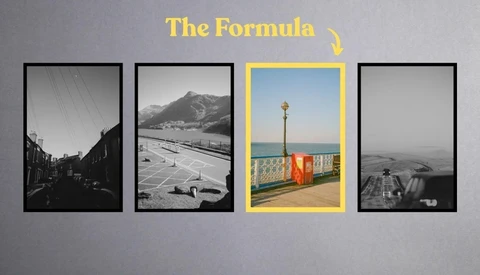
A Two-Year Journey From Landscape Photography to the Streets

Feeling creatively stuck is one of the most common problems in photography, and the advice to "pick a genre and stick to it" might be making it worse. Rick Bebbington spent years labeling himself a landscape photographer, and by his own account, that label kept him stalled for a long time.

How to Know When a Portrait Belongs in Black and White

Shooting portraits in black and white is a genuine creative decision, not just a stylistic default. The difference between a black and white image that works and one that falls flat comes down to whether the light, expression, and mood were already there before you pulled the color out.