Photography Education

Whether you just picked up your first camera or you've been shooting for years and hit a plateau, there's always more to learn. This section is where Fstoppers publishes educational content aimed at genuinely improving your photography — not just gear tips, but the foundational understanding of light, composition, and visual thinking that makes the difference between a competent photographer and a compelling one.

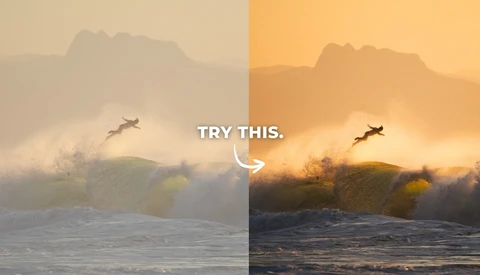
A Lightroom Classic Before and After Trick Most People Miss

Lightroom Classic gives you more than one way to compare edits, but most people only tap the backslash key and move on. If you want cleaner decisions and fewer second guesses, you need tighter control over what “before” actually shows.

Stop Correcting and Start Directing Your Colors

Why do some photographs feel like a fleeting memory while others possess the weight and atmosphere of a cinematic masterpiece? Let's discuss the subtle shift in editing techniques that transforms a standard edit into a truly silver screen experience.

Inside a Working Pro’s Travel Camera and Lighting Bags

Traveling with a full lighting kit gets complicated fast. Weight limits, lithium batteries, and tight overhead bins change how you pack and what you bring. You want gear that works anywhere without turning every trip into a negotiation at the check-in counter.

Feeling Like a Photography Fraud? That Might Actually Be Good News

Almost every photographer I know has, at some point, confessed to feeling like a fraud. They land a big client and immediately worry they'll be exposed. They deliver a gallery and brace for the email saying the photos are terrible. They scroll through their peers' work and wonder how they ever had the audacity to call themselves professionals.

35mm vs 50mm: Beyond the Technical Specs

Is the choice between a 35mm and a 50mm lens about what fits in the frame, or does it fundamentally alter how we connect with our subjects? Let's explore the psychological and technical nuances that define these two focal lengths and see which one truly aligns with your creative vision.

Focus Stacking Landscapes: A Step-by-Step Guide

Focus stacking lets you create a landscape image that’s sharp from the closest rock to the distant horizon. When you shoot wide scenes at f/11 or f/16, you still won’t always get everything crisp, and that soft foreground can quietly ruin an otherwise strong frame.

The Truth About Creating Good Images

A gray February woodland does not look promising, yet that is exactly when your skills get tested. If you rely on mist, frost, or golden light, you miss the quiet scenes that build discipline and sharper vision.

Mastering Outdoor Natural Light: A Photographer’s Guide

Ever wondered why some professional portraits look effortlessly lit using natural light while others struggle with harsh shadows and flat tones? In this article, with the help of a video, we explore how mastering the simple positioning of your subject can transform ordinary sunlight into a high-end, studio-quality look without a single piece of extra gear.

A Practical Blue Hour Workflow for Landscape Photographers

The Fujifilm GFX50S II can turn a familiar coastal village into something sharp, calm, and deliberate at blue hour. When light and artificial glow have to balance perfectly, small decisions with lens choice and composition carry real weight.

Everything You'll Ever Need to Know About Canon Lens Mounts and Compatibility

Canon's lens ecosystem is one of the most extensive in photography, spanning decades of innovation and multiple camera systems. For photographers entering the Canon world in 2026, understanding how all these lenses work together (or don't) can feel like deciphering ancient hieroglyphics. The good news is that once you understand the underlying logic, it all makes sense, and Canon's system offers tremendous flexibility for leveraging glass from multiple eras on modern bodies.

The Three Tiers of Photographers

The difference between a snapshot and a portfolio image often comes down to one thing: whether you meant to make it. Understanding how instinct and intention work together changes how you approach every shoot.

Stop Guessing: A Professional Wildlife Editing Guide

How does a professional photographer transform a flat, raw file into a breathtaking wildlife masterpiece without falling into the trap of over-processing? Let us explore the structured mindset that transforms chaotic editing into a deliberate, artistic workflow.

Everything You'll Ever Need to Know About Fujifilm Lens Mounts and Compatibility

Fujifilm occupies a unique position in the camera market. While Canon, Nikon, and Sony battle for full frame dominance, Fujifilm has charted its own course: a mature APS-C system beloved by enthusiasts and professionals alike, plus a medium format lineup that brings large sensor photography to a broader audience than ever before. For photographers entering Fujifilm's world in 2026, the lens ecosystem can seem deceptively simple at first glance, but there's more nuance hiding beneath the surface than you might expect. Understanding the difference between XF and XC, decoding all those suffix letters, and knowing how the X-mount and G-mount systems relate to each other will help you make smarter buying decisions and build a kit that truly serves your needs.

What Actually Makes a Strong Photograph?

Light gets all the attention, but composition decides whether the image works. You can have stunning light and still end up with a weak frame.
Brutal Wind, Beautiful Photos

Heading out with a camera in heavy rain feels reckless, especially near the coast with wind strong enough to shake a tripod. Yet those are the days when light turns moody, water comes alive, and ordinary locations shift into something raw and dramatic.

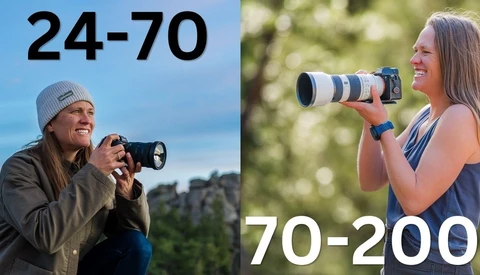
Why the 24-70mm Lens Feels Boring and How to Fix It

The 24-70mm lens is one of the most used focal ranges in photography, yet it often feels flat and uninspiring. That frustration usually has less to do with the lens and more to do with how you’re standing when you use it.

The Hidden Cost of Saying “Gear Doesn’t Matter”

“Gear doesn’t matter” is usually spoken from a place where most decisions are already behind the speaker. It sounds supportive, even generous. The trouble begins when this sense of closure appears precisely where attention to differences, limits, and concrete choices is still required.

The Complete Photographer's Guide to Memory Cards: Specs, Speeds, and What Actually Matters

Memory cards are the most overlooked purchase decision in photography. We agonize over camera bodies for months, research lenses obsessively, and then grab whatever SD card is on sale at checkout. This approach works fine until you're shooting a wedding and your buffer locks up during the first dance, or you're recording an interview and the camera stops mid-sentence because your card couldn't keep up.

Why Monochrome Became the Ultimate Escape from Responsibility

Black and white photography promises seriousness without risk, coherence without effort, and intention without proof. In an era where color is technically trivial and visually unforgiving, monochrome offers shelter. It removes variables, postpones judgment, and replaces unresolved structure with borrowed authority. It is like dimming the lights in a messy room: the objects do not move, but the problems stop being visible. If an image cannot survive color, was monochrome ever a choice?
Why Waterfall Photos Fail and How to Fix Them

Waterfall scenes look simple, but they fall apart fast when the eye has nowhere to go. If you want stronger landscape images, you need to think beyond the obvious front-on shot and start controlling flow, balance, and shutter speed.
Struggling With Focus? Here's What Actually Works

Running a wedding photography business with perfectionist habits and ADHD tendencies can wreck your focus fast. If you struggle to finish edits, send invoices, or stick to one task, this will feel familiar.

Stop Shooting the Obvious: A Different Way to Photograph

Places like Bamburgh Castle and coastal landmarks like it get photographed thousands of times a year, usually from the same spot with the same treatment. If you keep shooting the obvious angle, your work blends into that pile whether you mean it to or not.

Three Tricks to Make More Interesting Photos of Lighthouses

I have a strange obsession with photographing lighthouses. They have a way of making a landscape that much more interesting, and I often find myself taking a road trip just to photograph one. Here are a few tips to help make your photos stand out from the scores of other tourists making the same images. 

Why Clients Disappear After Seeing Your Prices

When a client says you’re “out of budget” or disappears after seeing your rates, the instinct is to adjust the numbers. That move usually solves the wrong problem.